
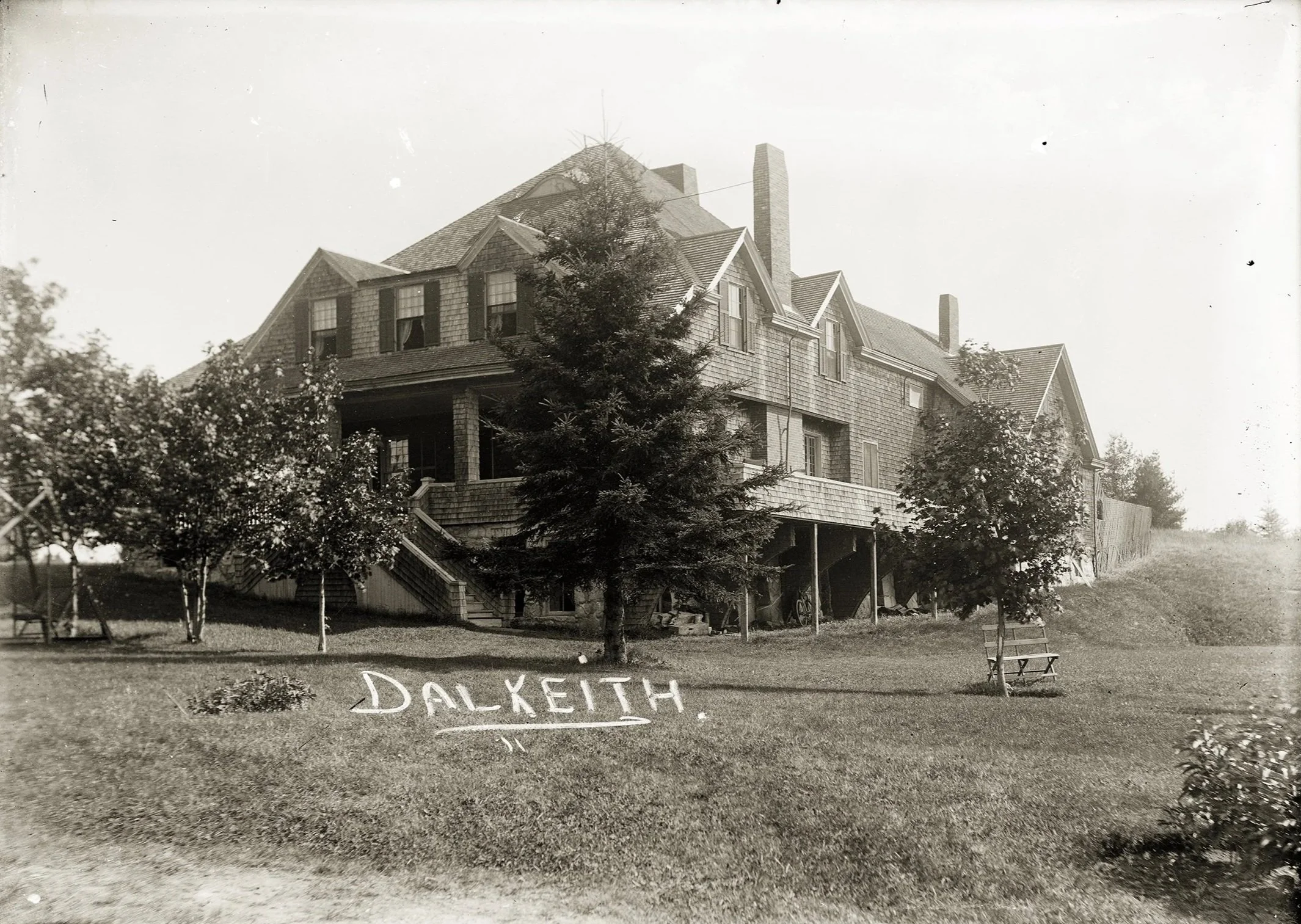
THE INN IN THE EARLY 1900s
139 Summers in Sullivan Harbor
The Acadia Bay Inn is a classic example of a shingle style “cottage,” built in the late 19th century in the midst of a wave of resort-colony development along the coast of Maine.
Large seaside homes, then called “cottages,” were built for families and tourists from Philadelphia, New York, and Boston who came to Maine for the summer. That tradition continues today.
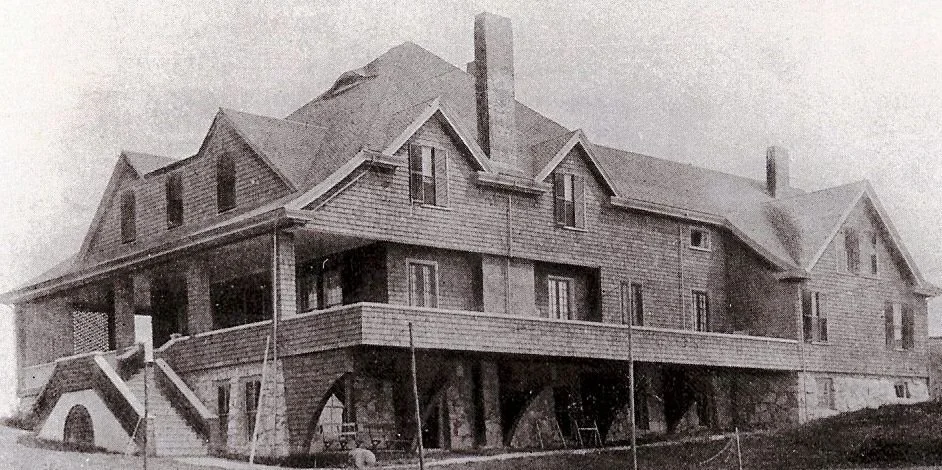
THE INN IN 1889
The Acadia Bay Inn’s story begins in 1888, when it was built as a “summer cottage” for Adelaide Kimball, a widow from Boston.
The building was designed by noted architects W. Ralph Emerson and Jarvis Hunt. Emerson is recognized as one of the founders of shingle style architecture and he designed numerous homes in and around Bar Harbor for “rusticators” leaving Boston, Philadelphia, and New York for summers in Maine.
Writing about Emerson in 1889, his contemporaries said, “There is an architect in this country, whose beautiful domestic work, scattered over a wide area from Mt. Desert to Colorado Springs, is a delight to all who know it.”¹
That description perfectly captures the experience of the Acadia Bay Inn today, nearly 140 years later, as it continues to delight those fortunate enough to know it.
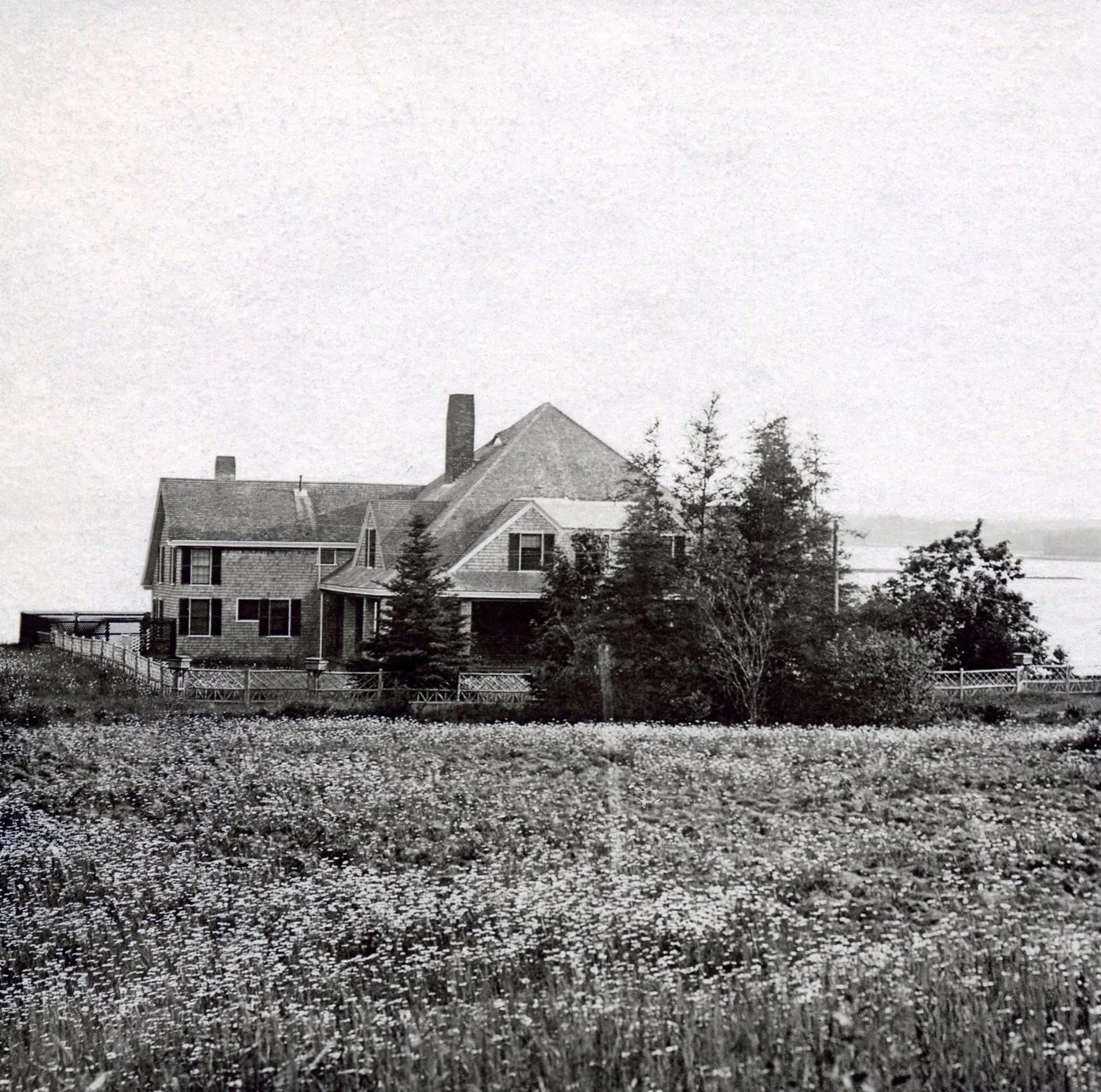
A delight to all who know it
✳︎
A delight to all who know it ✳︎

The Innkeepers
We owe a debt of gratitude to the former owners who have stewarded the property, thoughtfully enhancing it with modern systems & amenities, while maintaining Hunt & Emerson’s original vision. Throughout its life it has had various names, including “Sealights,” “The Newport,” and “Dalkeith.”
After 100 years as a private home, it opened as an inn in the 1980s, known then as The Island View Inn.
We’re honored to welcome you to be part of the Acadia Bay Inn’s story and hope it will delight you as much as it has countless others for the past 140 years.
—Matthew & Hailey, Innkeepers
¹ Quoted in “A Delight to All Who Know It: The Maine Summer Architecture of William R. Emerson,” by Roger G. Reed.
Photos courtesy of the Sullivan-Sorrento Historical Society.